

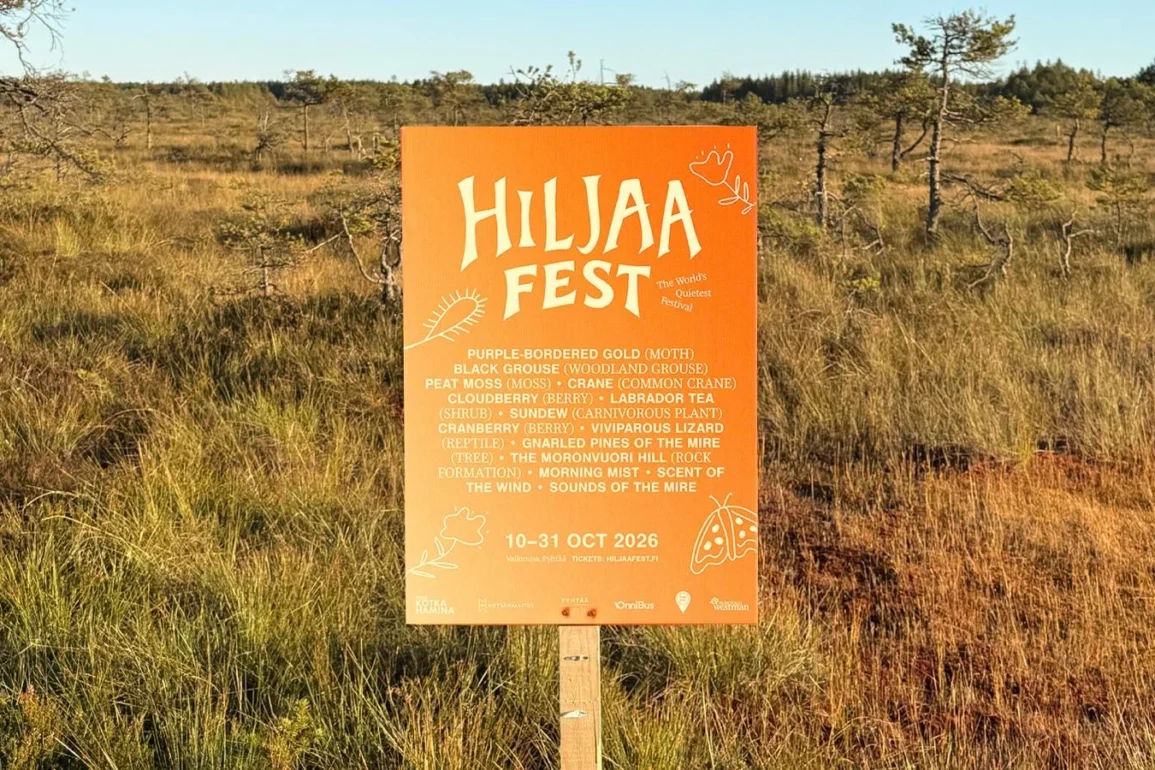
Hiljaa Fest is rethinking the idea of festival culture by replacing packed stages and booming sound systems with birds, wind, wetlands, and the kind of silence most travelers rarely build into an itinerary.
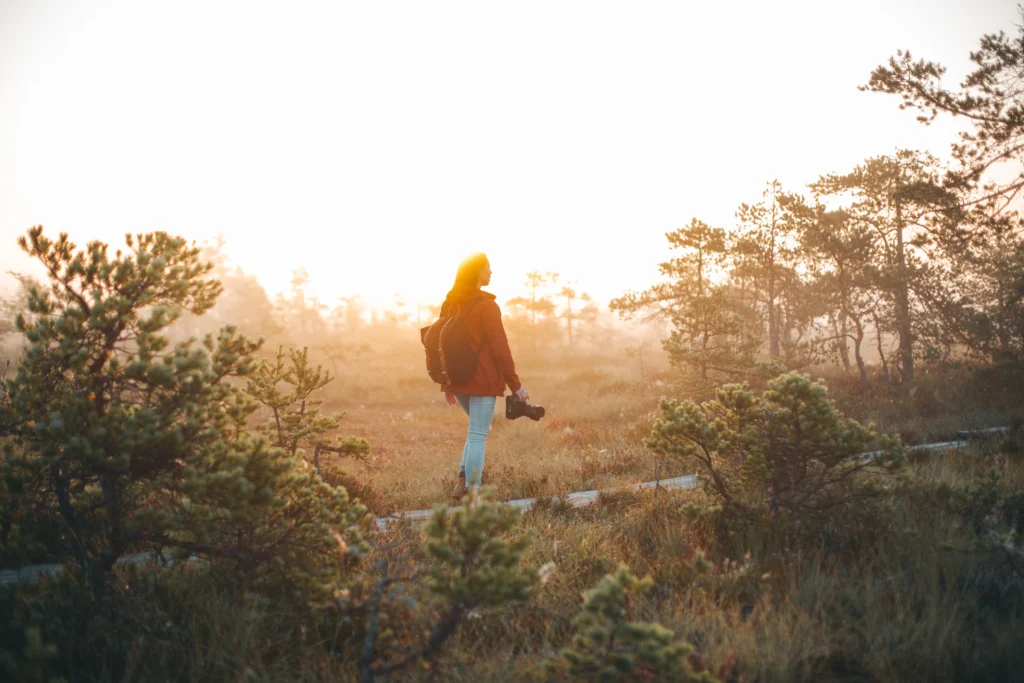
Most festivals are designed around spectacle. There is usually a packed schedule, a big-name lineup, and enough sound to make sure nobody forgets where they are. Hiljaa Fest Finland is taking a completely different approach. On October 10, the small municipality of Pyhtää in southeastern Finland will host what organizers are calling the world’s first Festival of Nature Listening inside Valkmusa National Park, about 90 minutes east of Helsinki. The nickname they have given the concept says almost everything you need to know: “Quietchella.”
Instead of pop stars, DJs, or rock bands, the festival’s featured performers are the sounds that already exist in the landscape. Birds, water, wind, moss, and the occasional black grouse are essentially the lineup. It sounds simple, but that is exactly why the idea is so compelling. At a time when travel can feel just as overstimulating as everyday life, Hiljaa Fest is built around the idea that slowing down enough to notice where you are can be an experience in itself.
What Exactly Is “Quietchella”?
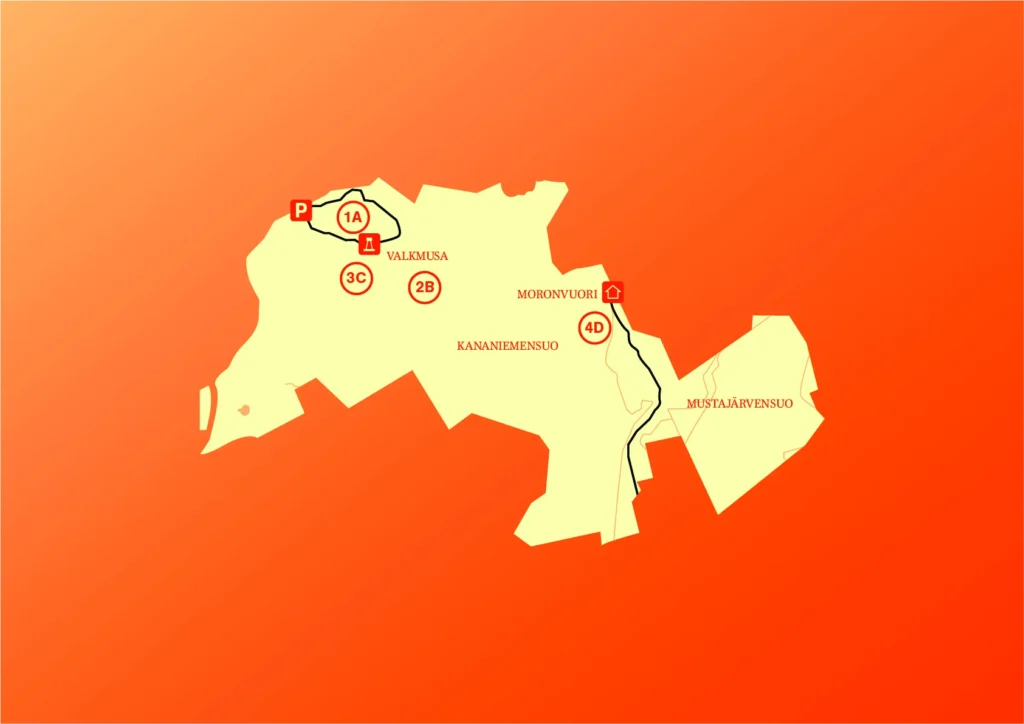
The concept behind Hiljaa Fest is straightforward. Visitors are encouraged to walk through Valkmusa National Park, listen closely, and allow the environment to set the pace. The festival will feature 13 “performers” across four natural stages, although organizers are quick to point out that some of those acts may or may not appear. Wildlife does not exactly work from a set list, and that unpredictability is part of the experience.
Creative director and wilderness guide Simo Peri describes the event as a chance to listen to the “music nature creates.” That could mean the wind moving through the landscape, birds calling across the wetlands, water shifting through the mire, or the subtle sounds most people would normally walk past without noticing. For travelers who are used to tightly planned schedules, packed attraction lists, and constant stimulation, that shift in attention is probably the most interesting thing about the entire festival.
Valkmusa National Park Is More Than a Pretty Backdrop
Hiljaa Fest is taking place in Valkmusa National Park, a protected wetland area known for its rare mire landscapes and diverse birdlife. The park is home to roughly 40 different mire habitats, a notable concentration in southern Finland, and its network of boardwalks, trails, observation towers, and resting areas makes it easy for visitors to explore without disrupting the environment.
The timing also matters. By October, the landscape is moving into fall, which means the natural setting becomes part of the visual experience too. Rich seasonal colors, open wetlands, and quieter trails give Hiljaa Fest an atmosphere that feels worlds away from the typical festival circuit. There are no oversized stages, giant screens, or competing production elements. The setting itself is the production.
Silence Might Be the Real Luxury
There is also something timely about the festival’s central idea. Most people spend their days surrounded by alerts, traffic, conversations, background noise, screens, and constant movement. Even vacations can start to feel like another version of that same pace, especially when every day is packed with things to see, eat, photograph, and post.
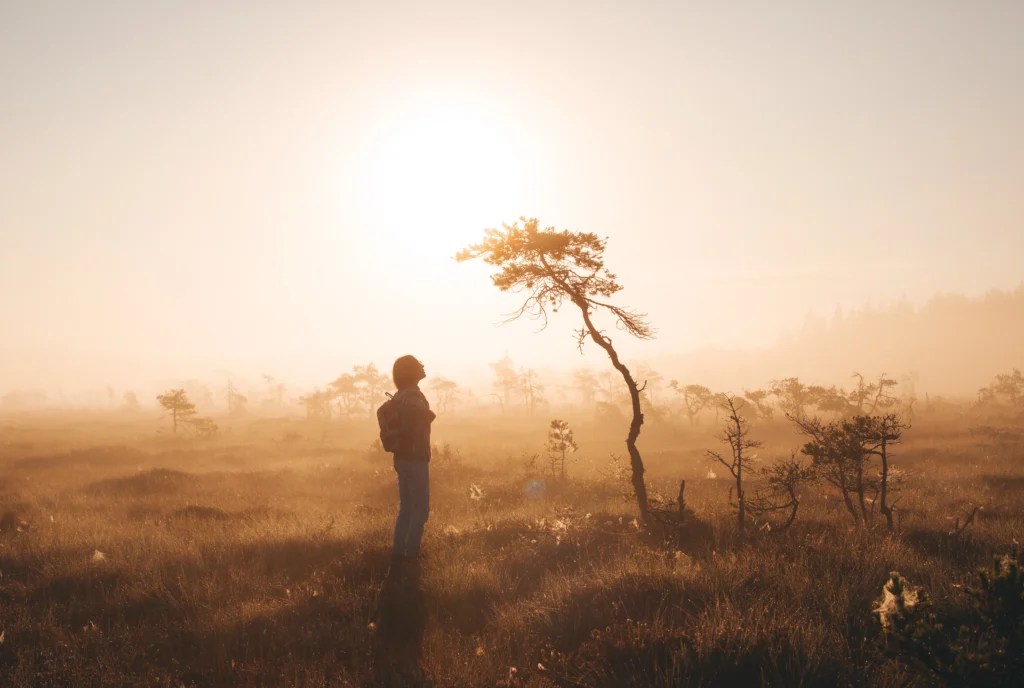
Hiljaa Fest turns that expectation on its head. Municipal Director of Pyhtää Terhi Lindholm says the festival was created to encourage visitors to experience the national park with all of their senses and to appreciate the quiet of the surrounding landscape. That makes “Quietchella” feel less like a gimmick and more like a broader statement about the way people travel. Instead of chasing more, the experience is built around paying closer attention to what is already there.

The Festival Does Not End After One Day
Hiljaa Fest officially opens on October 10, 2026, but the experience is designed to continue well beyond the launch. After opening day, the festival will remain in place throughout the fall as an unguided experience, allowing visitors to walk the park, explore the trails, and listen to Valkmusa’s soundscape on their own schedule.
That might actually be the best part of the concept. There is no pressure to secure a front-row spot, no need to plan around a headliner, and no rush to get through a set number of attractions. Visitors can move through the park at their own pace and allow the surroundings to dictate the experience. For anyone who has ever returned from vacation feeling like they need another vacation, that kind of travel may sound especially appealing.
Why “Quietchella” Works
The smartest thing about Hiljaa Fest is that it does not really create a new attraction. It changes the way people are asked to experience an existing one. Finland has long been associated with forests, lakes, quiet landscapes, and a close relationship with nature, and Hiljaa Fest packages those qualities in a way that feels modern without overcomplicating them.
That is what makes “Quietchella” such an interesting concept for today’s traveler. It is a festival without the pressure to perform, a lineup that may or may not show up, and an experience built around doing less rather than more. In a travel culture that often rewards how much you can fit into a day, Hiljaa Fest offers a different idea of luxury: having enough time, space, and quiet to actually notice where you are.
