

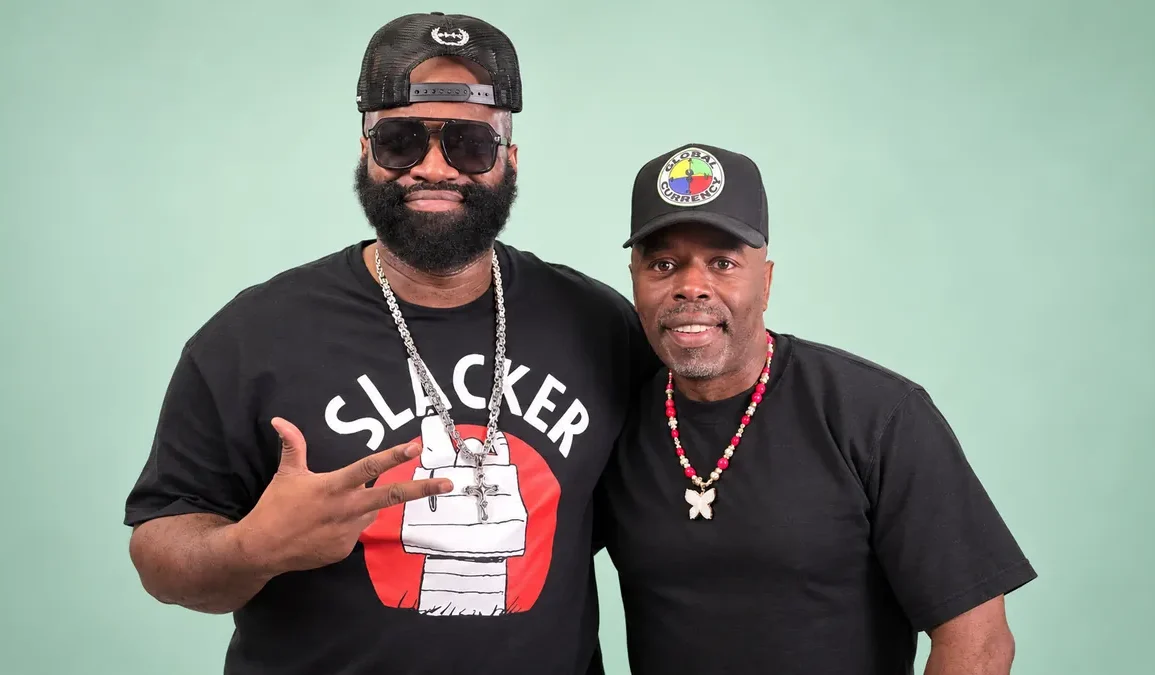
Before a hip-hop interview could reach your phone in seconds, it might reach your neighborhood on a DVD. During his conversation with Reemo Meerak on The C.U.T.S. Podcast, Terrell Blair revisited that era and the work it took to document artists outside mainstream media. The HLM Media founder also discussed the responsibility that comes with holding a camera, building an audience and telling stories from your own community.
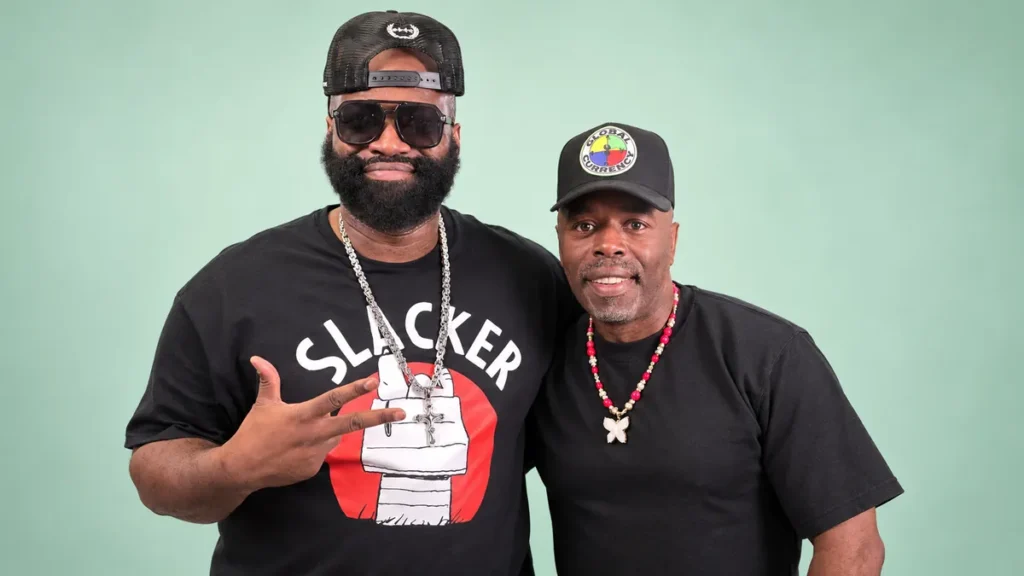
For anyone who remembers picking up music and street DVDs from a neighborhood shop, the conversation brings back a particular way of discovering talent. You watched for the freestyles, the personalities and the access you could not get on television. However, Blair’s account also looks beyond the nostalgia. Behind those discs were relationships, production decisions and people putting their own resources into making sure the footage reached an audience.
How Terrell Blair Approached the DVD Era
Blair traced his early work to a desire to bring people together through hip-hop. Reflecting on his return home in 1998, he described seeing young men facing police harassment and wanting to create a shared space for expression. Bringing artists from different neighborhoods into the same conversation gave that ambition a practical outlet.
His approach included boundaries. According to Blair, the platform did not welcome guns or the promotion of violence. If artists had something to prove, the expectation was that they would do it lyrically. He also connected that outlook to his social service background, which informed how he approached accountability and mentorship.
Those choices matter to the story of the DVD era. Street access could produce compelling footage, but access alone did not determine what a platform should publish. Blair’s account shows a producer thinking about the environment he created and what participants might take away from it.
Getting the Footage Was Only the Beginning
Reemo’s conversation with Blair also returned to the physical work of getting a release into people’s hands. Before an upload could make footage instantly available, producers had to edit material, prepare releases and build distribution relationships. A finished interview still needed a route to the shops and sellers that connected it with viewers.
For audiences in the Bronx and Harlem, those routes could include neighborhood spots along Jerome Avenue or Webster Avenue. Beyond New York, distribution helped the footage travel to other regions. Consequently, the reach of a DVD depended on the work that happened after the cameras stopped rolling.
That process gave exclusive footage a different kind of value. An appearance, interview or freestyle could become a reason to seek out a particular release. Viewers were buying access to a scene, while the people behind the camera were building trust with both the artists and the audience.
What the DVD Era Can Teach Today’s Creators
The discussion became especially relevant when Blair and Reemo considered how that work compares with today’s media environment. Smartphones have made publishing more accessible, giving artists and interviewers opportunities to build their own platforms. At the same time, the pressure to post quickly can leave less room for research and context.
Blair challenged commentators who speak confidently about a culture without understanding its history. His comments returned to the importance of preparation, factual reporting and analysis that goes beyond personal fandom. Knowing an artist’s catalog is useful. Understanding the circumstances around a story is part of the work, too.
For viewers, that distinction affects the quality of an interview. A strong follow-up question can reveal something a viral clip misses. Similarly, an interviewer who understands a guest’s background can move beyond familiar talking points and give the audience a reason to stay.

From Artist Coverage to Book Bandits
Blair also reflected on his early coverage of artists including French Montana and Fred the Godson. Those memories highlight one of the lasting contributions of independent hip-hop media: documenting performers while their stories were still developing. Footage that first served a neighborhood audience can later become part of a much larger cultural record.
The conversation also covered his work in publishing through Book Bandits and his connection with author Wahida Clark. That chapter expanded the discussion beyond music, showing how his interest in giving people a platform carried into another medium.
For HLM Media, hearing its founder revisit that history offers context for the work behind the name. The tools have changed, and audiences now discover stories across several platforms. Still, Blair’s conversation with Reemo makes a case for habits that remain useful: know your subject, respect your audience and take responsibility for what you publish.
The DVD era left behind more than memorable freestyles and collectible releases. It preserved artists, relationships and moments that might otherwise have gone undocumented. On The C.U.T.S. Podcast, Terrell Blair brings the people and decisions behind that work back into focus.
Source: Terrell Blair’s interview with Reemo Meerak on The C.U.T.S. Podcast. Coverage adapted from the supplied interview recap.
