

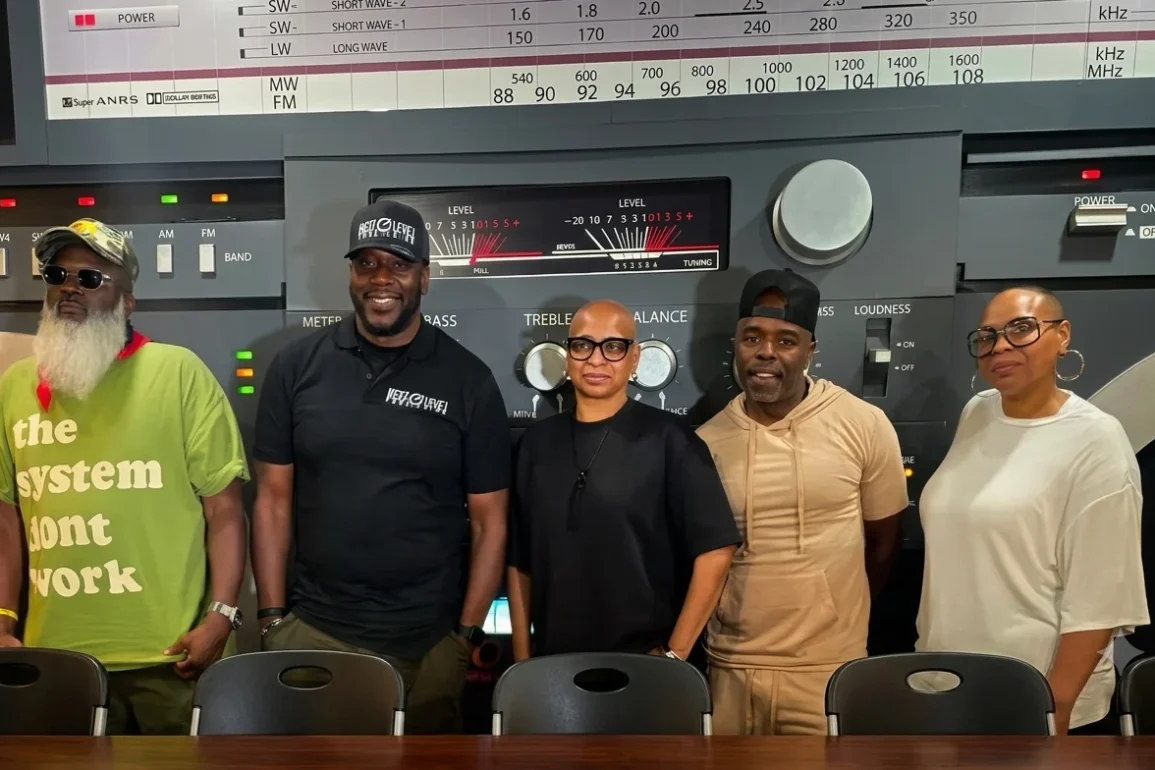
Long before TikTok book recommendations and self-publishing platforms made independent authors easier to discover, street literature had its own distribution system. Books moved hand-to-hand, out of trunks, through neighborhood bookstores and by word of mouth. At The Hip Hop Museum’s Culture Lab in the Bronx, some of the people who helped build that movement came together to talk about where it started, what it changed and why its history matters.
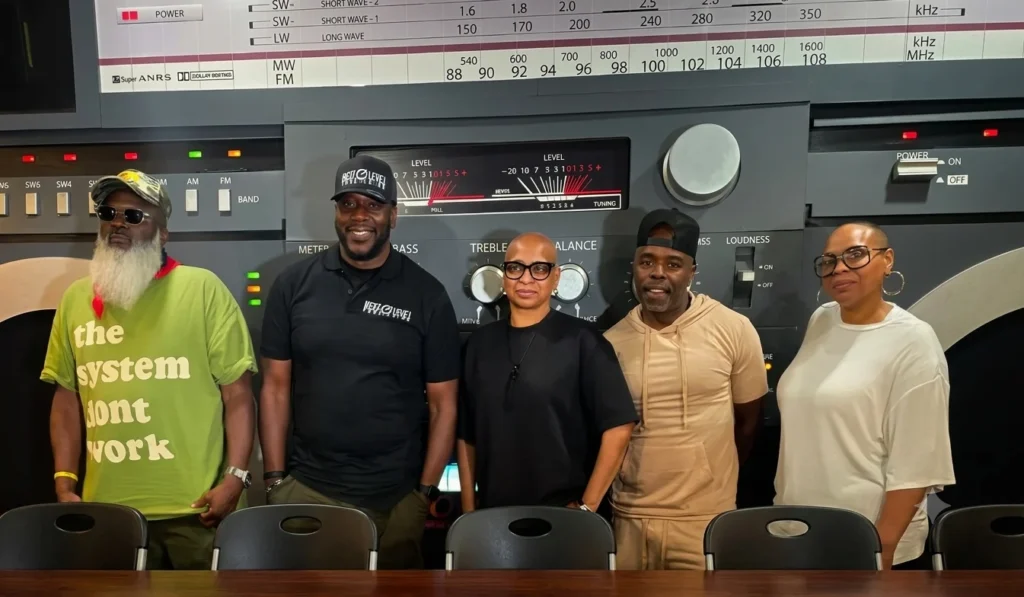
The street literature panel at The Hip Hop Museum brought together bestselling author Wahida Clark, Black & Nobel founder Hakim Hopkins, journalist and music industry creative Terrell Blair, and author and independent publisher Dashawn Taylor. Moderated by Muqarabun, the conversation was presented in celebration of A Thug’s Independence.
Street Literature and Hip-Hop Grew From the Same Soil
One of the clearest themes of the discussion was how closely street literature and hip-hop mirror each other. Both grew from communities that rarely saw their lives represented accurately in mainstream media, and both created their own systems when traditional gatekeepers were not interested.
Authors wrote about ambition, survival, relationships, hustling and everyday life in language that actually sounded like the people they knew. Much like early hip-hop, the work did not wait for permission to become culturally important.
That hustle eventually became impossible for mainstream publishing to ignore.
Black & Nobel Changed How the Books Reached Readers
Hakim Hopkins and Philadelphia’s Black & Nobel bookstore played an important role in that growth. Beyond giving independent Black writers shelf space, Black & Nobel became a cultural hub and developed ways to get books directly into the hands of readers, including incarcerated men and women who were often overlooked by traditional retail distribution.
That history makes the conversation especially relevant today. Independent creators have more tools than ever, but the panel’s message remained rooted in principles that existed before social media: own your work, understand your audience and build a direct connection with the people supporting you.
As The Hip Hop Museum works to document the culture, street literature deserves to be part of that record. These books did not simply reflect hip-hop culture. They helped tell the same story in another form.
Watch the full panel discussion below.
